

The Regenerative Garden Awards
Welcome
The Regenerative Gardens Awards initiative is dedicated to inspiring and recognising people who are committed to cultivating and enhancing gardens that encourage biodiversity and support personal health and well-being.
Inspired by the successful ‘Wildlife Garden Awards’ in Berkshire, the awards aim to create a platform that celebrates gardens as sanctuaries for wildlife and sources of physical and mental rejuvenation for individuals and communities alike.
The name “Regenerative Gardens Awards” reflects the mission to champion the application of regenerative principles in gardening, that will benefit our lives as a direct result of a creating a healthy and thriving garden.
Did you know?
That approximately 25.8 million gardens across the UK cover roughly 2.37 million acres of green space?
This huge amount of land could play a crucial role in supporting nature and mitigating climate change. By transforming our gardens into regenerative landscapes, we can collectively make a significant impact. Healthier gardens contribute to improved air quality, support diverse ecosystems, and help absorb carbon dioxide, reducing our carbon footprint.
Join us in celebrating exceptional green spaces that enhance our environment and community wellness. Whether you’re an individual, a community group, or a business, there’s an award level for everyone. Together, we can create a fantastic network of gardens committed to nurturing both people and the planet.
Primary Objectives of the Awards Scheme
Enhance biodiversity: Encourage people to create gardens that support diverse plant and animal and soil life, reinforcing the ecological balance in our community.
Promote health & wellbeing: Nurture gardens that provide therapeutic spaces, grow nutritious food, and improve soil health, thereby enhancing the physical and mental well-being of participants and the wider community.
Community engagement: Build a sense of community through participation in gardening, education, and shared experiences.

Summary of the ‘Regenerative’ Principles and Why they are important
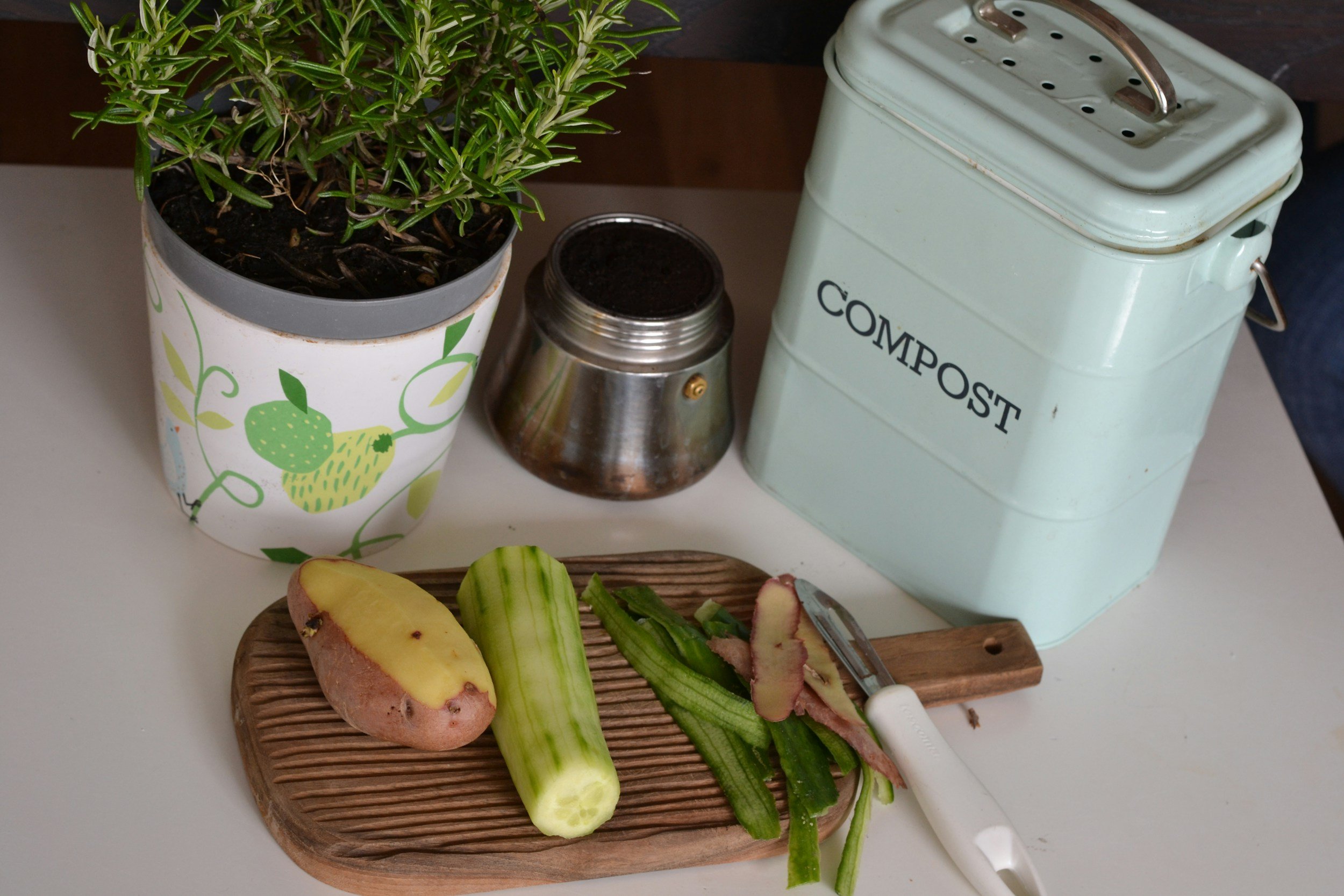
Composting organic/food waste: Builds soil health, recycles nutrients and reduces food waste that might otherwise go to landfill.
Avoiding slug pellets and synthetic chemical sprays: Protects you, your family, wildlife, soil life and pollinators.
Maximising ground cover: Prevents erosion and supports soil microbes.
Planting native plants species: Boosts biodiversity and supports ecosystem resilience.
Including wildlife features: Provides food/shelter/access for local and vulnerable species.
Growing your own produce: Provides you and your family with access to fresher and more nutritious food in a sustainable way.
Rainwater harvesting: Reduces water use and runoff, supporting healthy soil.
Crop rotation/polyculture: Enhances soil fertility and breaks pest cycles.
Peat-free compost: Preserves peatlands and reduces carbon footprint.
Carbon Sequestration: Incorporate biochar into the soil to sequester carbon, improving soil structure and enhance microbial life.
Sharing produce: Promotes community networks and reduces waste.
Demonstrated biodiversity gains: Shows the garden is actively regenerating.
Community engagement: Spreads regenerative practices and collective impact.
High welfare for animals (if present): Integrates animal and ecosystem health.
How Gardens are Awarded
The Regenerative Gardening Awards operate on a self-certifying model, allowing participants to complete a simple Google application form. Gardens are assessed based on criteria focused on key regenerative principles, that promote wildlife and biodiversity, sustainability, community involvement, and personal health, particularly regarding nutrition.
Review the Awards criteria and see where your garden currently sits and which award level feels possible for you this year. You can print this downloadable check list and take a walk around your garden to see what improvements you could make.
Participants can earn certificates at Bronze, Silver, and Gold levels depending on the number of criteria their garden meets. The Awards is open all year, so you can apply anytime. You can even apply every year, should you wish to improve your garden and aim for the next level up (which we hope you will). You can expect to receive your certificate within 2 weeks of applying.
Don’t have a garden? No problem! There’s also a category for container gardens, ensuring that everyone can join in!
“This project is beneficial to the community but will also deliver on the councils Environment and Climate Strategy at a community level. This is encouraging to see as the natural environment is so closely linked to the community’s general health and wellbeing.”
Cllr Stimson, Lead Member for Climate Change, Sustainability, Parks and Countryside, RBWM.
EVENTS
Find out about future events
If you would like to volunteer your time and join an organised community action event to benefit the environment, check our events page today! We guarantee you’ll meet like-minded people and learn about how you can contribute to a greener future.
RESOURCES
What you can do for your community
Need a helping hand to get started? Then visit our resources pages for information and downloadable guides about ‘how to’ live more sustainably, ‘Green Up Your Street’ or even lead your own community project.
Feeling inspired to do more?
Green Earth Plan is all about community action and we can only bring about positive environmental change with your support, either as volunteers or as leaders of projects in your local area.
So if you would like to get involved in any way, shape or form, we can’t wait to hear from you!